

You have wealth within your corporation. How do you make sure you keep liquidity, access, and control?
Retained earnings invested inside an active Canadian corporation can lose more than half their growth to passive income tax. Corporate-owned life insurance gives those dollars a place to grow tax-sheltered, stay within reach, and pass to your family tax-free.

Ready to look at your own numbers?
Is your corporate cash working as hard as you are?
If retained earnings are sitting in the corporation earning interest, they are being taxed at the passive rate every year. For most owners, that money sits on a shelf.
What most have
- Personal investments held outside the corporation, taxed at personal rates
- Life insurance owned personally and funded with after-tax personal dollars
- An estate exposed to probate and the deemed disposition tax
- Business and personal planning treated as separate conversations
What great structure looks like
- Corporate-owned investments growing tax-sheltered inside the corporation
- Life insurance owned by the corporation and funded with corporate dollars
- An integrated plan where business, personal, estate, and legacy move together
- One advisor who sees the whole picture
There are two ways most people move money out of their corporation.
Taxed at your personal marginal rate.
Also taxed personally, through the integration of corporate and personal tax.
Corporate-owned life insurance. Your retained earnings grow inside a policy the corporation owns.
What is corporate-owned life insurance?
Corporate-owned life insurance (COLI) is a permanent life insurance policy that your corporation owns and pays for. The value is in where your money grows. Cash value builds inside the policy without triggering passive investment income, and at death the proceeds flow to the corporation and out to shareholders through the Capital Dividend Account.
It has been part of the Canadian tax code for decades. Dan has spent almost three decades helping incorporated business owners use it.
Every strategy Dan and his team designs is measured against:
Liquidity.
Cash value grows inside the policy. You can reach it through a properly structured loan against the policy without triggering a tax event.
Access.
With the right structure, you may use the value while you are alive and still leave a tax-free benefit for the people who come after you.
Control.
You decide the structure, the funding, the payout, and the beneficiary. The plan flexes as your business and your family change.
Every position has a job. Few advisors play theirs.
The Historian
Records what happened. Files returns. Handles compliance. Excellent at looking back at what was.
The Guide
Builds the legal structure. Drafts the agreements. Maps the path. Rarely asked to model the tax impact at death.
The Defense
Should see the threats coming. Protects against unnecessary loss. Makes sure one bad play doesn't undo years of hard work.
The Last Line
Dan sits at the centre, bringing your accountant, your lawyer, and the strategy together into one plan.
If money is just sitting there, that's the signal.
Dan works exclusively with incorporated business owners across Nova Scotia, New Brunswick, and Ontario. Owners who recognize one or more of these are a fit.
$100K+ in retained earnings annually
If your active corporation consistently generates surplus you aren't deploying, the numbers start to make sense quickly.
Significant surplus that's been building up
Cash on the balance sheet earning interest, taxed at the corporate passive rate.
An estate exposed to the deemed disposition
If your shares have grown in value, your estate inherits a tax bill. That bill needs to be funded properly.
An accountant who hasn't started this conversation
This sits where tax and insurance meet, a specialist area most advisors leave alone.
The right answer at the wrong time is still the wrong answer.
Sequence matters. We don't skip steps.
- 1
Protect what exists
Before building what's next.
- 2
Fund the liability
Before optimizing the investment.
- 3
Establish the structure
Before initiating the transfer.
- 4
Integrate, then advise
Corporate and personal together.
Six questions worth asking.
If any of the answers feel uncertain, you've likely found a gap in your planning.
- 1
Is my corporate surplus growing tax-efficiently, or sitting exposed to passive investment income rules?
- 2
Do my business, personal, and estate plans work together, or are they managed separately?
- 3
Are my life insurance structures funded with corporate dollars or personal dollars?
- 4
Does anyone sit at the centre of my planning to make sure nothing falls through the gaps?
- 5
Do I have a clear strategy for the tax bill my estate will face on my shares?
- 6
When did someone last review the whole picture and challenge whether it still holds true today?
Corporate-owned life insurance, answered.
The questions Dan hears most from business owners before their first call.
What is corporate-owned life insurance (COLI)?
Corporate-owned life insurance is a permanent life insurance policy that your corporation owns and pays for. The value is in where your money grows. Cash value inside a properly structured policy grows tax-sheltered, while regular investments held inside an active Canadian corporation can face more than 50% tax on passive income. With the right structure, you can also access that value while you are alive.
How does corporate-owned life insurance work with my accountant?
Your accountant keeps handling your filings and day-to-day tax strategy. Dan focuses on the spot where tax planning and insurance meet, and he coordinates with your accountant so they stay in the loop. They handle their piece. Dan handles his.
How much do I need in my corporation for COLI to make sense?
Dan works with business owners who have at least $100,000 a year in retained earnings, or a larger surplus that has built up over time. The strategy works best when corporate dollars are sitting in the corporation, earning interest and being taxed at the passive rate.
Is corporate-owned life insurance legitimate in Canada?
Yes. Corporate-owned life insurance has been part of the Canadian tax code for decades, the CRA knows about it, and many of the country's most established families and businesses use it. The strategy uses the tax code as it is written. Most owners have never heard of it because it sits in a specialist area that few advisors work in.
Can I access the money in a corporate-owned policy before I retire?
With the right structure, yes. You can use the policy as collateral for a loan and use the money however you choose. The loan is settled from the death benefit later, so you have access now and your family still receives a tax-free payout down the road.
What happens to my corporation's shares when I die?
The CRA treats your shares as if they were sold on the day you die. This is called the deemed disposition. Your estate owes tax on the growth in those shares right away, whether your family has the cash or not. A corporate-owned policy can fund that tax bill at the moment it comes due.
What is the Capital Dividend Account?
The Capital Dividend Account (CDA) is a tracking account that lets a private Canadian corporation pay certain amounts to its shareholders tax-free. When a corporation receives a life insurance death benefit, the benefit less the policy's adjusted cost basis is added to the CDA and can flow out to shareholders without tax.
How do I get started with Lomas Financial?
Book a call. Dan asks about your business, your goals, and your current situation. If it looks like a fit, he runs the numbers on your specific situation. If those numbers make sense, you design a strategy together and he handles the details. There is no cost for the first conversation.
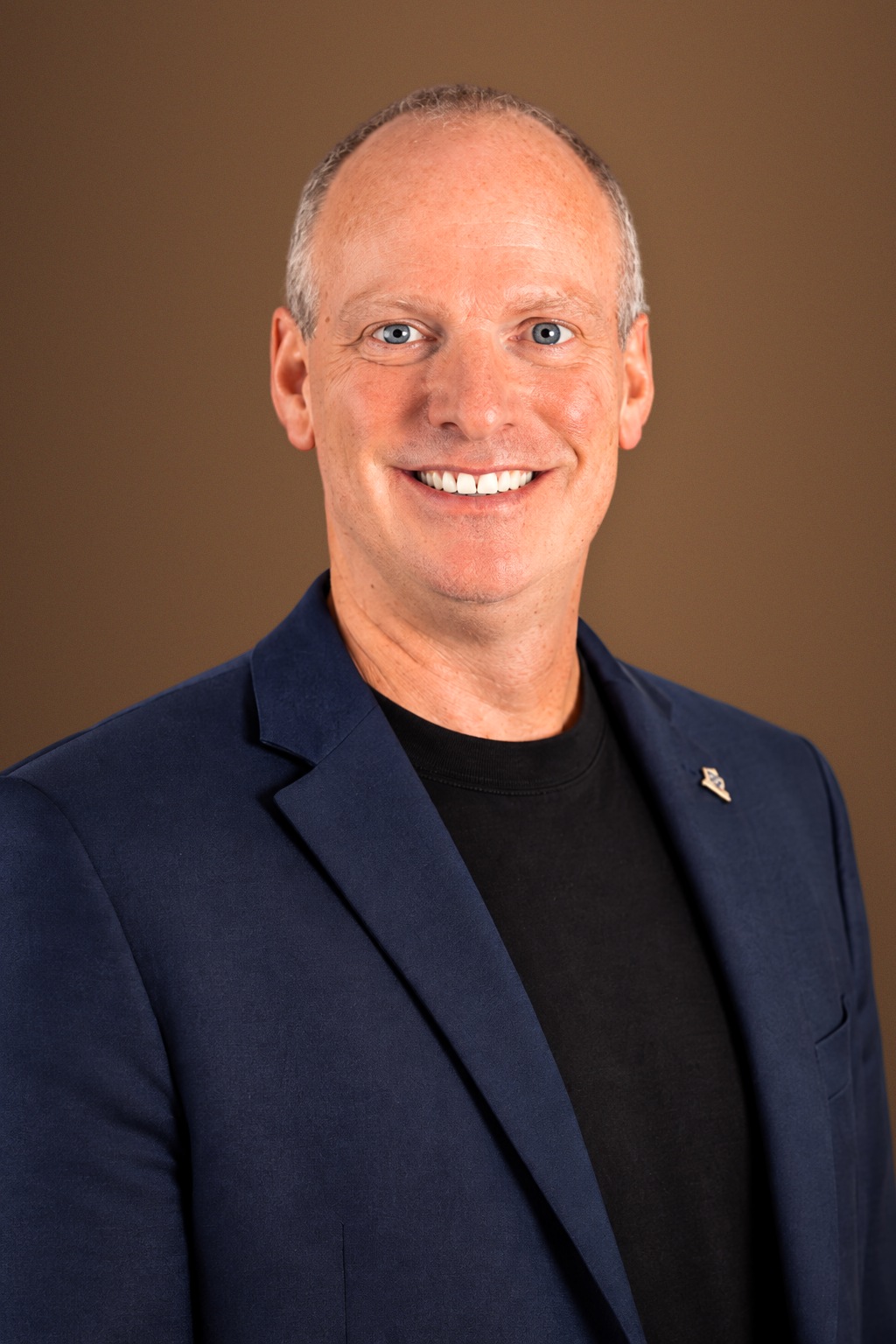
About Dan Lomas
I don't sell products. I design funding strategies for tax bills.
Dan Lomas is the principal of Lomas Financial Inc. in Halifax, Nova Scotia. For almost three decades he has worked with incorporated business owners, coordinating with their accountants and lawyers to cover the one piece nobody else on the team is covering. He uses these strategies himself.
A Maritimer and Navy veteran, Dan brings the same discipline to every plan: protect what exists, fund what's coming, and make sure you don't lose the game to something preventable.
- 01After-tax corporate dollars go further than after-tax personal dollars. Always.
- 02Salary and dividend aren't your only options. The third option is structural, and most owners haven't seen it modelled on their numbers.
- 03Fragmented planning is the most expensive kind. One integrated strategy does more than three separate ones.
Navigation needs a crew.
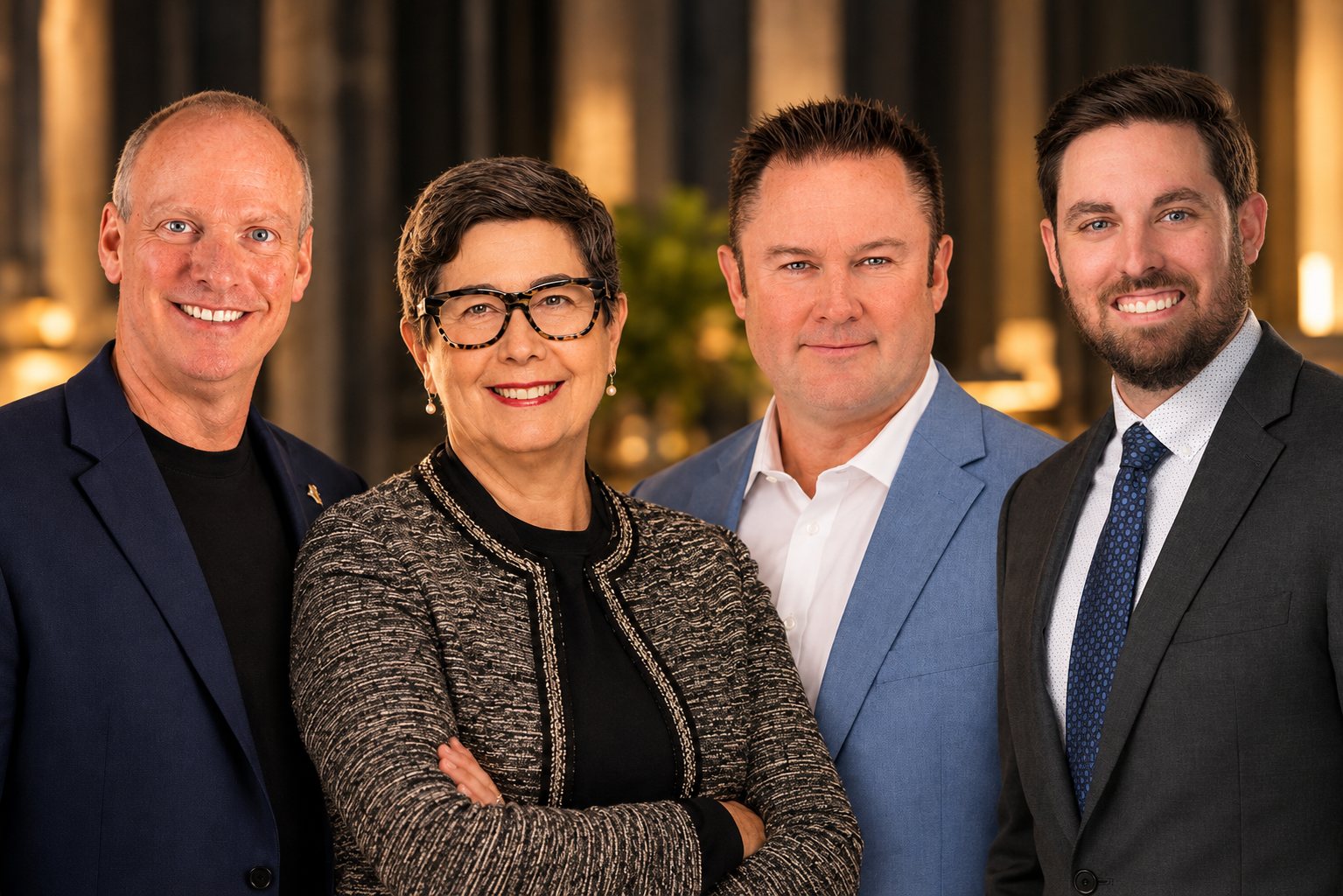
Dan leads your plan and stays your main point of contact. Behind him is a crew of independent advisors, each running their own practice under the Desjardins Financial Security Independent Network banner. When your plan calls for a specialist, Dan brings them in and they work the case together. You get the depth of a full team, with one person at the helm.
-
Jane Miller
Administrative AssistantJane is the crew’s eyes and ears. She keeps every file, meeting and follow-up moving between Dan, his partners and you, so you always know what comes next. Three decades in financial services means she has seen how good client care is done, and she brings that to every plan.
-
Todd Gallant
Investment PartnerBBAMarkets move every day, and Todd watches them every day. When a client’s investments need closer attention, Dan and Todd take on the case together. Dan structures the corporate strategy, and Todd keeps the investments on course, drawing on the many financial companies available through their network.
Todd on LinkedIn -
Keith MacKay
Estate Planning PartnerCFP, CLU, CEA, MFA-P, CHS, RCISWhen a plan turns to what happens next, Dan calls Keith. Known as “The Estate Planning Guy,” Keith works alongside Dan to chart how a business owner’s wealth reaches family, executors and the causes they care about. Dan funds the tax bill, and Keith maps the legacy, so the corporate plan and the estate plan point the same way.
Keith on LinkedIn
It starts with a conversation.
- 01
A real conversation first
No quotes before context. We start by understanding your business, your retained earnings, and how the corporation works for you.
- 02
Your numbers, modelled
If it looks like a fit, Dan runs the numbers on your specific situation and shows you something your accountant probably hasn't.
- 03
Your last line of defense
Dan makes sure you don't lose the game to something preventable. Your accountant and lawyer stay in the loop the whole way.